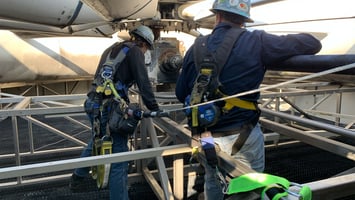



Is Your Cooling Tower a Candidate for Rebuild? Cooling towers are built for long service life, but...
Facility managers and maintenance teams are under constant pressure to do more with less. Budgets are tighter. Downtime is more expensive. Expectations for reliability continue to grow.
The challenge is that cooling towers rarely fail all at once. Most major problems begin as small issues that go unnoticed until they impact operations, energy efficiency, or safety. Corrosion develops slowly. Mechanical wear increases over time. Structural weaknesses often stay hidden until an outage or emergency repair forces action.
That is why inspections are not just a maintenance task. They are a critical planning tool.
A thorough cooling tower inspection gives facility and operations teams the information they need to budget accurately, prioritize repairs, reduce surprise costs, and plan maintenance work before problems become emergencies.
Inspections Turn Unknown Problems Into Actionable Information
Many facilities operate aging cooling infrastructure with limited visibility into the system's true condition. Without current inspection data, budgeting often becomes reactive.
Teams are left asking questions like:
- How much life is left in the tower?
- Which components are becoming a risk?
- What repairs are urgent versus planned?
- Can maintenance wait another year?
- Are there hidden structural or mechanical concerns?
- How should upcoming capital spending be prioritized?
A comprehensive cooling tower inspection can provide the documented condition data needed to make informed maintenance and capital planning decisions.
Not sure how much visibility you have into your tower's current condition?
Answer a few quick questions to see whether a professional inspection may be worth considering.
Better Inspections Lead to Better Budget Forecasting
Unexpected repairs are one of the fastest ways to disrupt maintenance budgets.
When cooling tower issues are discovered during an outage or emergency failure, facilities often face:
- Expedited material costs
- Emergency labor premiums
- Unplanned downtime
- Production disruption
- Rental equipment expenses
- Schedule conflicts with contractors
- Limited time for competitive bidding
Could gaps in your cooling tower condition information affect your planning?
Our quick questionnaire can help you identify whether it may be time for a closer look.
Inspection Reports Support Capital Planning
For many facilities, cooling towers represent critical infrastructure that directly impacts uptime, production, occupant comfort, or process reliability.
Inspection reports provide documented system condition data that can support:
- Annual budgeting discussions
- Capital expenditure planning
- Maintenance reserve forecasting
- Reliability improvement initiatives
- Asset lifecycle planning
- Internal approval processes
Facilities that conduct routine inspections often have a clearer understanding of future repair requirements, allowing them to prioritize projects and budget more effectively.
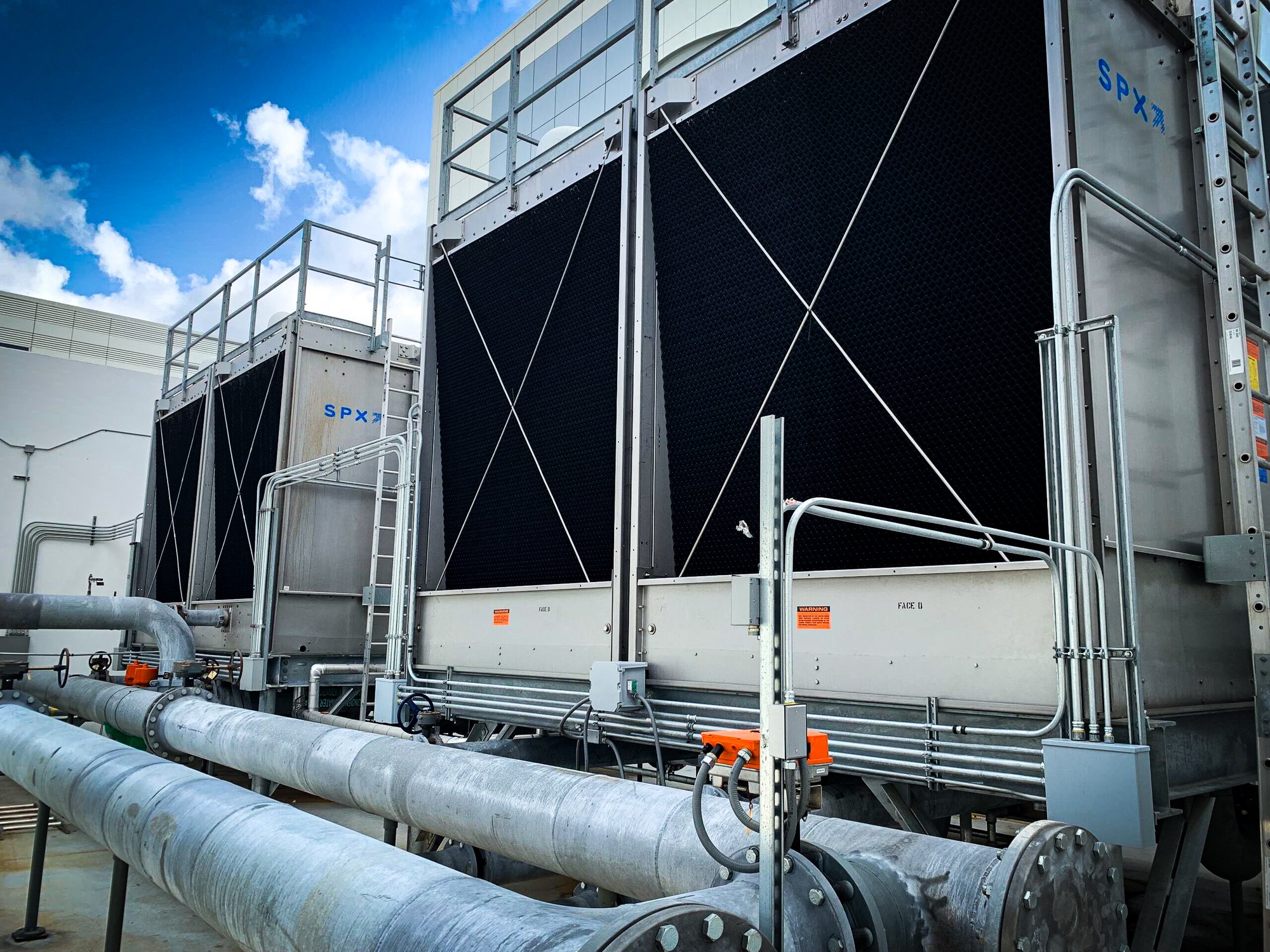
Is It Time for a Closer Look at Your Cooling Tower?
Answer a few quick questions and get personalized insights to help determine whether a professional inspection may be worth considering.
Small Mechanical Problems Become Expensive When Ignored
One of the most valuable aspects of inspections is identifying mechanical wear before it becomes catastrophic.
Components like bearings, driveshafts, belts, gearboxes, and fans operate under continuous load. Minor vibration, imbalance, or alignment issues can quickly escalate into major failures if left unresolved.
Inspection programs can also be enhanced with vibration analysis services that provide deeper mechanical insight through vibration trends, FFT analysis, and equipment condition reporting. These tools help facilities make more informed predictive maintenance decisions.
Addressing smaller issues early is almost always less disruptive and less expensive than waiting until emergency failure conditions arise.
Planning Ahead Improves Project Execution
Inspections are not only valuable for maintenance planning. They also improve planning for repair and rebuild projects.
Cooling tower projects often involve:
- Site access challenges
- Crane requirements
- Safety considerations
- Material logistics
- Structural concerns
- Equipment staging
- Shutdown coordination
- Multi-cell work sequencing
How current is your understanding of your cooling tower?
Find out whether your responses indicate that a professional inspection may be worth considering.
Inspections Support Long-Term Reliability
Cooling towers are often easy to overlook until something goes wrong. But these systems directly affect operational continuity, thermal performance, energy efficiency, and equipment reliability.
Routine inspections help facilities move from reactive maintenance toward proactive asset management.
That means:
- Fewer emergency repairs
- Better maintenance scheduling
- Improved uptime
- Longer equipment life
- More predictable budgeting
- Lower operational risk
Final Thoughts
A cooling tower inspection is more than a report. It is a planning tool that helps facilities make smarter operational and financial decisions.
The earlier issues are identified, the more options facilities have to budget, schedule, and plan repairs on their terms instead of reacting to emergencies.
When inspections are paired with detailed reporting, preventative maintenance strategies, and experienced evaluation, they become an important part of protecting both equipment performance and long-term budgets.
If your facility has not completed a cooling tower inspection recently, now may be the right time to evaluate system condition before small issues become costly surprises.
Schedule a professional cooling tower inspection with OBR Cooling Towers and gain the insights needed to plan with confidence.
Not Sure If It's Time for an Inspection?
If your cooling tower has never been professionally inspected, it has been a while since the last inspection, or you simply aren't confident in its current condition, start with our quick questionnaire.
Answer a few questions and receive personalized insights to help you determine whether a professional cooling tower inspection may be worth considering.
This questionnaire provides general guidance only. It does not evaluate or determine the actual condition of your cooling tower. A professional inspection is required to identify specific maintenance or repair needs.
Related Resources